

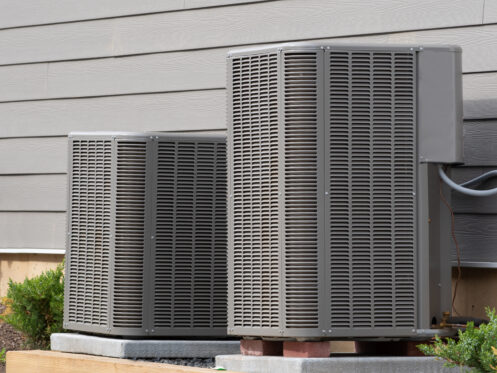
Refrigerant rules are changing how new cooling systems are made, installed, and serviced. That matters if you’re considering California AC replacement or heat pump replacement, because the system you choose should fit today’s rules while providing long-term value. At Of Course! Heating, Cooling & Electric, in Yucaipa, CA, we help homeowners sort through replacement decisions with a clear eye on equipment choices, service realities, and long-term value. If you ask better questions before you buy, you’re much more likely to end up with a system that feels practical instead of confusing.
What’s Changing With Refrigerants and Why It Matters for New Systems
If you’re replacing cooling equipment in 2026, you’re shopping in a different market than homeowners were just a few years ago. Federal rules already pushed new residential air-conditioning and heat pump equipment away from higher-GWP HFCs, and California has its own limits on new air-conditioning equipment using refrigerants with a GWP of 750 or greater.
That means the refrigerant in a new split AC or heat pump is no longer a background detail. It affects what equipment is sold, how it is installed, and what kind of service support you should expect going forward. That is why 2026 refrigerant changes matter so much if you are planning a system replacement soon.
For a homeowner, the biggest mistake is treating a 2026 replacement like a routine swap where brand and tonnage are the only things that matter. You also want to know what refrigerant the new system uses, whether the installer works on that refrigerant regularly, and whether the home is being matched with equipment that fits current code and current product standards. Many of the newer options in this transition use lower-GWP refrigerants such as R-454B or R-32, and California’s rules are part of why those products are showing up more often in replacement conversations. That does not automatically make one system better than another. It does mean the new HVAC refrigerant belongs near the top of your list instead of near the bottom.
What to Ask About Equipment, Warranty Coverage, and Future Serviceability
Start by determining what refrigerant this exact system uses, and what does that mean for installation and future service? That question opens the door to better follow-ups. You can ask whether the installer has been working with that refrigerant regularly, whether the quoted equipment is part of the current product generation, and whether there are any differences in safety devices, components, or setup requirements compared with older systems. These are the kinds of HVAC installation questions that can help you avoid surprises later.
We also recommend asking about the warranty. Ask what the parts warranty covers, whether registration changes the term, what could limit coverage later, and whether the refrigerant, parts, and manufacturer support are likely to stay common enough that the system still feels practical to service five or eight years from now.
How to Compare AC and Heat Pump Replacement Options in 2026
In 2026, the refrigerant transition will not only affect air conditioners. It affects heat pump systems too, including ductless mini splits, which means your decision is not only about cooling anymore. If your current system is aging out, this is a good time to ask whether a straight AC with a separate heating system still makes sense, whether a central heat pump is a better fit, or whether a ductless mini split could work well for your layout. California’s HFC rules apply broadly to new air-conditioning equipment and space-conditioning heat pumps, so all of those options are part of the lower-GWP shift. That means the real comparison is less about which option avoids change and more about which option fits your house, utility costs, comfort goals, and future service expectations.
Choose a Replacement Plan That Stays Compliant and Practical Long-Term
If you’re replacing cooling equipment in 2026, it helps to look past the sticker price and ask how the refrigerant choice affects installation, warranty terms, future repairs, and the kind of service your home may need later. Of Course! Heating, Cooling & Electric helps homeowners compare AC and heat pump replacement options, installation details, and long-term service considerations so you can make a choice that fits both today’s rules and tomorrow’s upkeep. Request an installation estimate from Of Course! Heating, Cooling & Electric today.

 Today!